In healthcare, there is little room for error. The stakes are incredibly high, and a single mistake can have serious consequences for patient safety and well-being. At AMG Colleg of Nursing, we recognize the importance of providing our students with practical experiences that mimic actual healthcare environments. Our LPN training program in New Jersey incorporates advanced simulation techniques to prepare students for their roles as licensed practical nurses. Read on and get in touch with us to learn more about how we prepare students for real-world clinical scenarios.

Safe Learning Environment
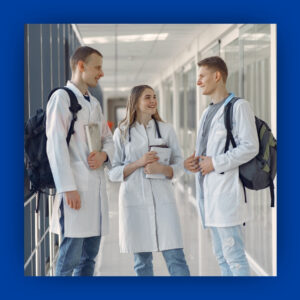
Simulation provides a safe space for students to practice essential nursing skills without the risk of harming actual patients. By using high-fidelity mannequins and realistic scenarios, students can make mistakes and learn from them, building confidence in their abilities. This controlled environment allows for repeated practice and reinforcement of critical skills.
Bridging Theory and Practice
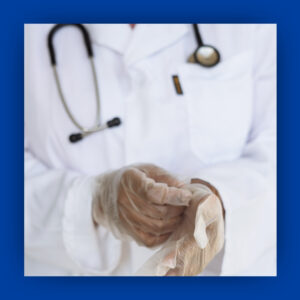
Simulation bridges the gap between theoretical knowledge and practical application. While students learn about nursing concepts in the classroom, simulation allows them to apply that knowledge in a hands-on environment. This integration of theory and practice solidifies learning and equips students with the competencies needed to succeed in their LPN program and beyond.
Interdisciplinary Collaboration
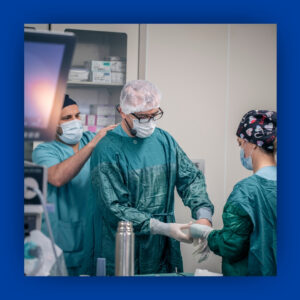
Simulation training often involves collaboration with other healthcare disciplines, such as nursing, respiratory therapy, and emergency medical services. This interdisciplinary approach is great for teamwork and communication skills, essential elements in delivering comprehensive patient care.

Immediate Feedback and Assessment
Instructors can observe students during simulations and provide real-time assessments, helping them identify areas for improvement. This feedback loop is essential for enhancing skills and ensuring that students are adequately prepared for clinical practice.
Through simulation, students encounter various patient situations that they may face in their careers. From managing acute conditions to responding to emergencies, simulations allow students to engage in realistic scenarios that enhance their clinical judgment and decision-making skills. Enroll in AMG College of Nursing’s practical nursing program today and experience the benefits of simulation training firsthand!