
Licensed practical nurses (LPNs) are essential healthcare professionals who have a significant impact on patient care. These healthcare professionals work alongside registered nurses (RNs) and physicians, providing crucial support in various healthcare settings. But understanding what exactly these individuals are responsible for and how they contribute to the daily function of hospitals is key!
AMG School of Nursing is proud to help students interested in becoming licensed practical nurses get a better idea of what this career path entails and how they can leave their marks in the world of nursing. Let’s dive into a comprehensive understanding of the daily routines and responsibilities of LPNs, highlighting their vital role in the healthcare ecosystem. Learn more about our LPN program as well and contact us today about the admissions process!

Morning Routine
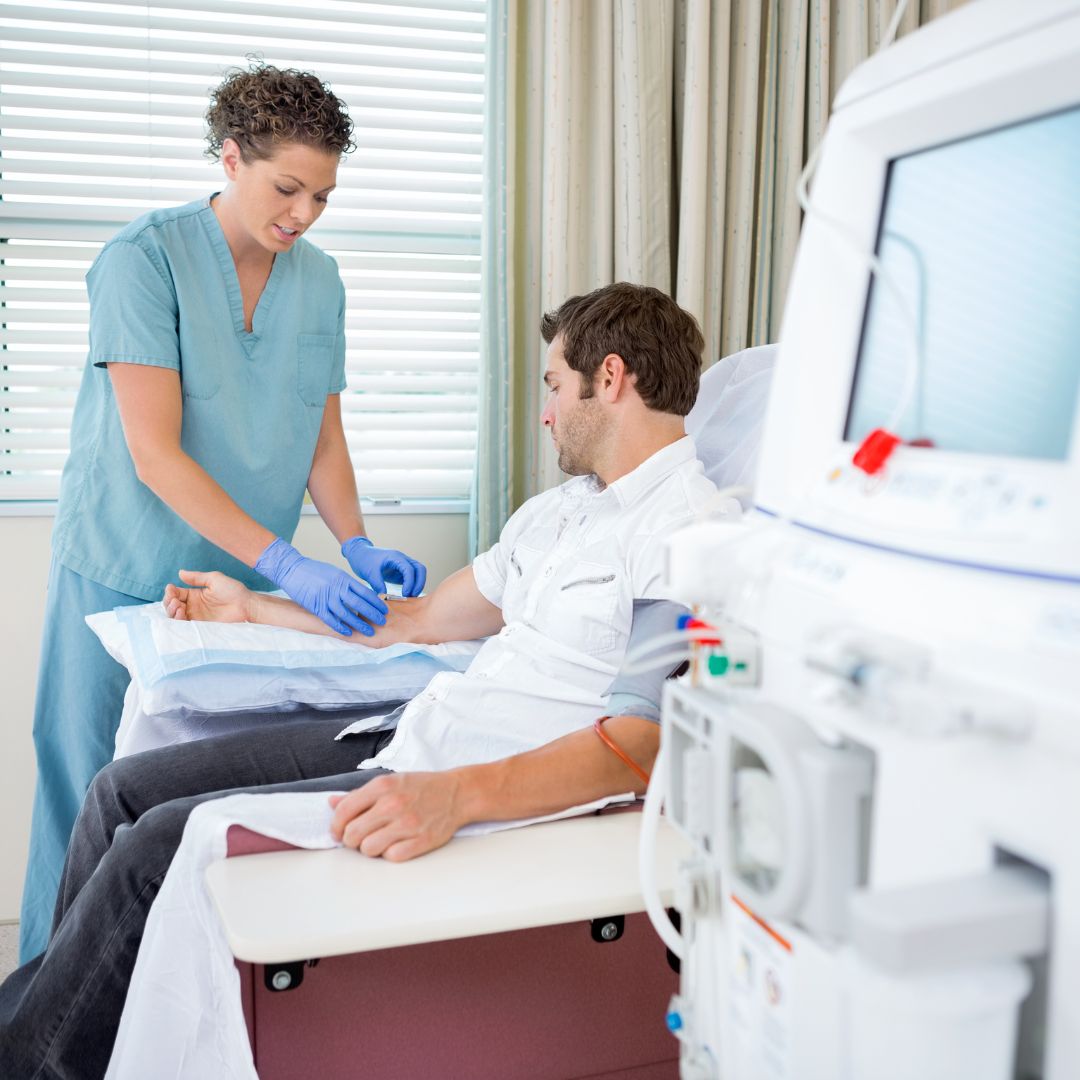
In the morning, LPNs typically start their day by reviewing patient records and nursing care plans. This ensures that they are well informed about each patient’s specific needs and requirements. LPNs then proceed to conduct vital signs assessments, which include measurements like a patient’s blood pressure, heart rate, temperature, and oxygen saturation levels. These assessments not only help monitor patients’ overall health but also serve as baseline data for the healthcare team.
Patient Care Responsibilities
Graduates of our LPN program, when in a hospital setting, actively participate in providing direct patient care. They administer medications, following strict protocols and ensuring accurate documentation of each step. Patient assistance with personal hygiene tasks — such as bathing, dressing, grooming, and toileting — also falls within their responsibilities. LPNs collaborate with registered nurses and other healthcare professionals to ensure seamless and efficient care delivery.
Patient Monitoring and Evaluation
LPNs continuously monitor their patients’ conditions throughout the day. They are responsible for detecting and assessing any changes or signs of distress and promptly report any concerns to the appropriate healthcare professionals. LPNs also play a crucial role in wound care, performing dressing changes, assessing wounds for signs of infection, and implementing infection control measures.

Patient Education and Advocacy
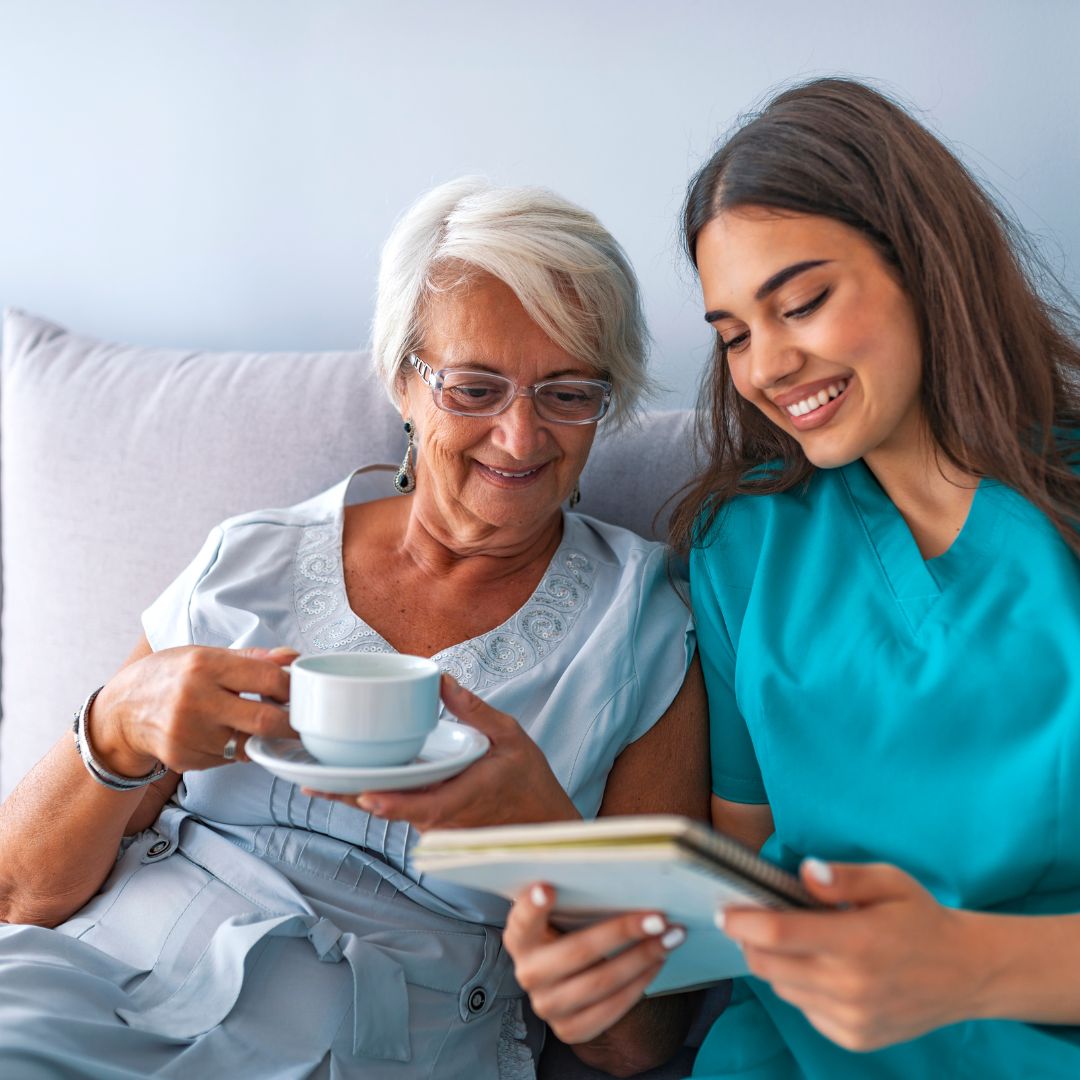
Spreading of working with patients — licensed practical nurse programs also provide education on illness management, medication administration, and post-discharge care instructions. They work closely with patients and their families, ensuring they have the necessary information to make informed healthcare decisions. These healthcare professionals help advocate for patients’ needs, ensuring that their voices are heard and their concerns addressed.
Administration of Medical Procedures
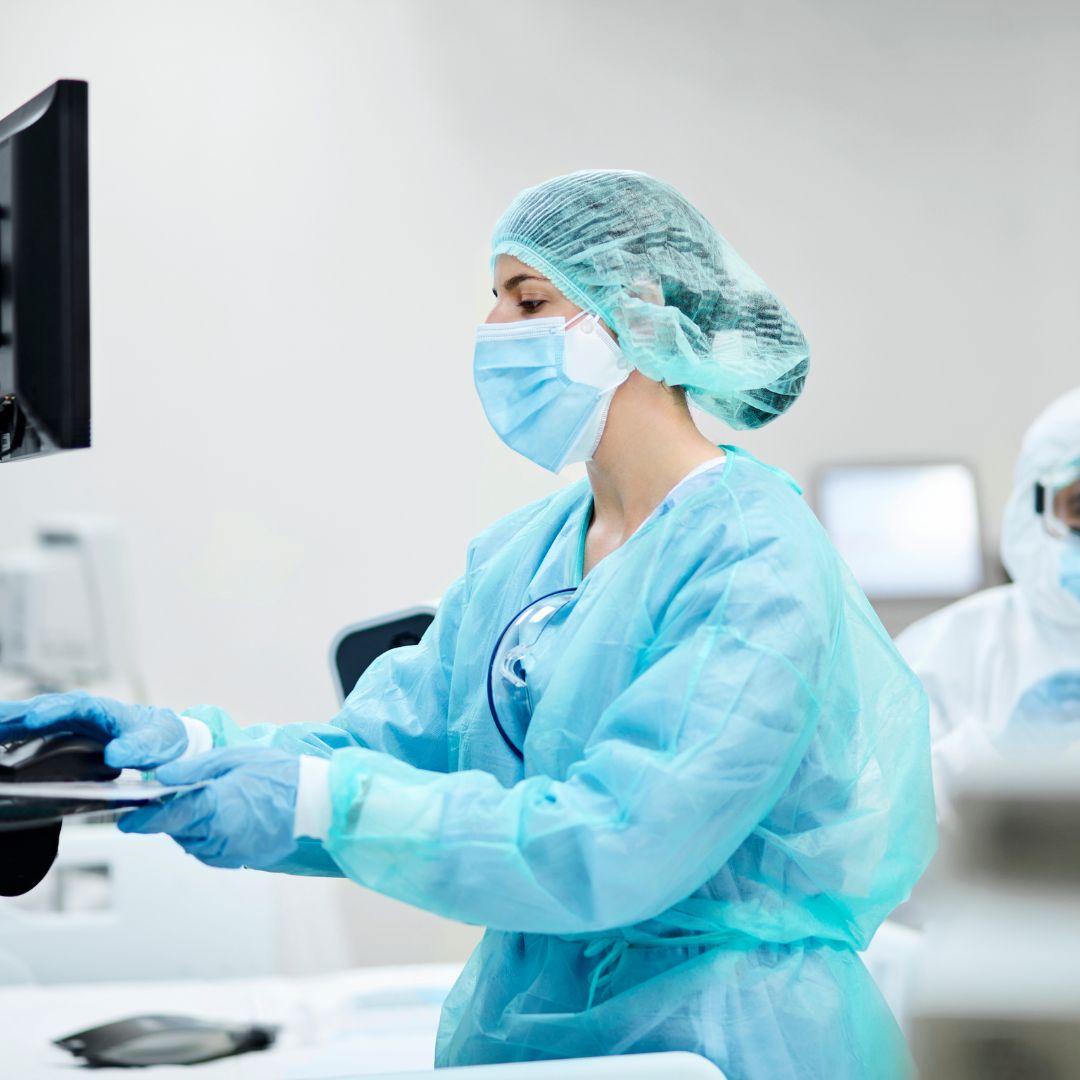
Administering injections, vaccinations, and immunizations according to prescribed orders is a critical responsibility of LPNs. But outside of these medications and shots, licensed practical nurses typically perform routine laboratory tests, including blood draws, urine tests, and electrocardiograms (EKGs). After these are collected, they collaborate with other healthcare professionals to interpret and communicate test results to doctors and patients.
Documentation and Organization
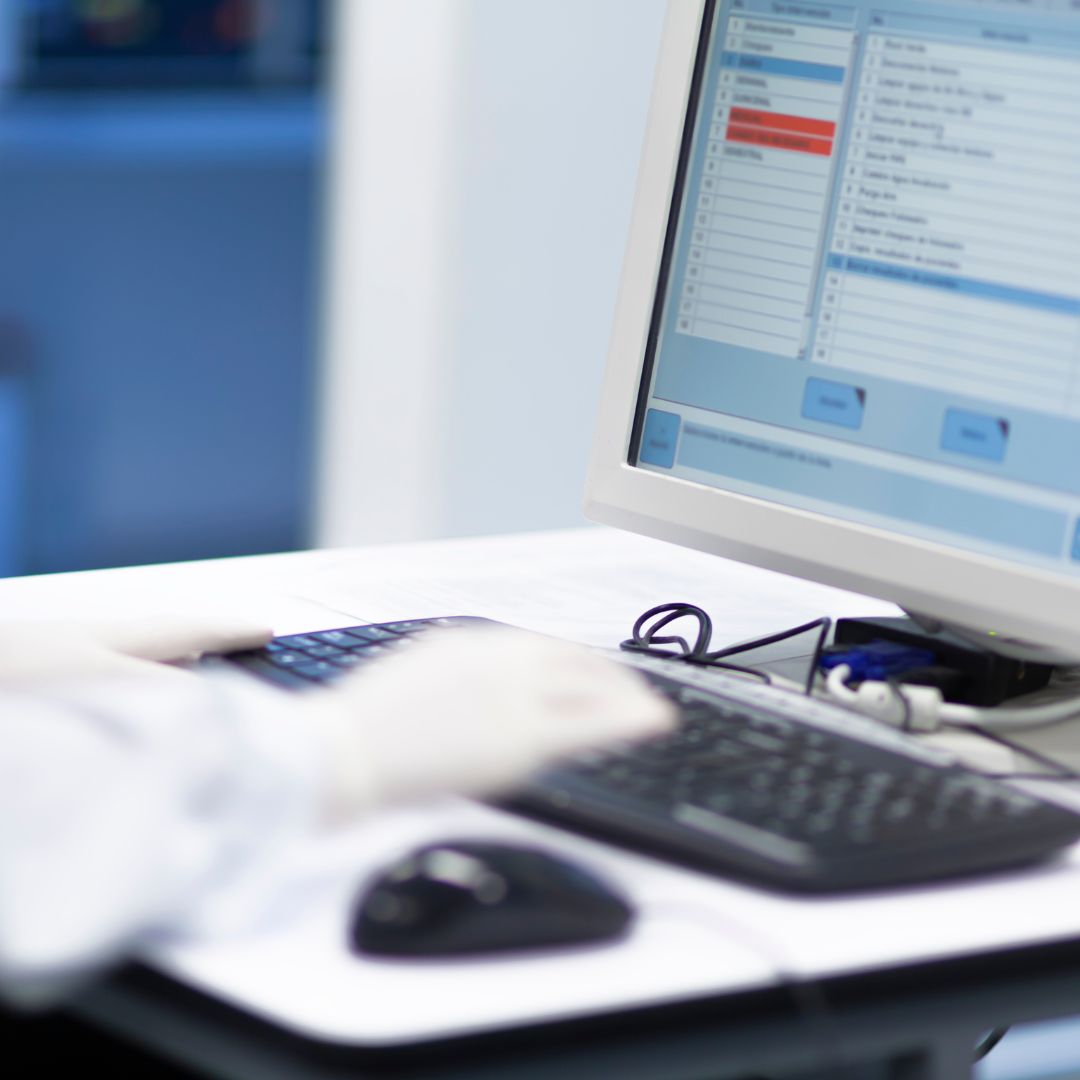
Accurate and thorough documentation is a vital aspect of an LPN’s daily routine. They meticulously document patient assessments, interventions, and responses in electronic health records (EHR) or other designated systems. LPNs must strictly adhere to confidentiality guidelines and maintain the privacy of patient records as per national HIPAA requirements. As far as organization, these nurses coordinate healthcare services such as scheduling appointments, arranging diagnostic tests, and facilitating consultations.
Emergency Situations and Critical Care
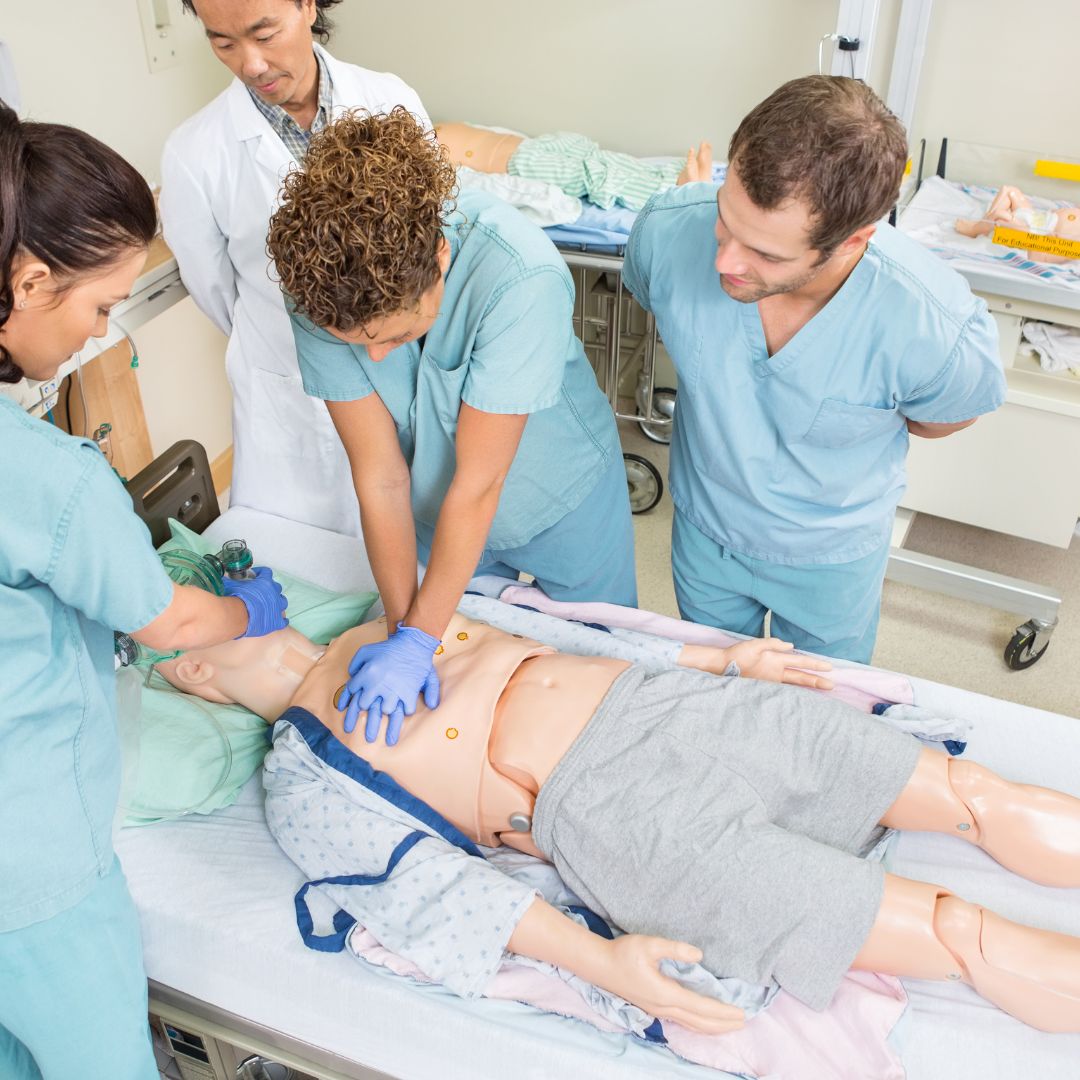
In emergencies, LPNs play a critical role in providing immediate care. They must respond promptly to medical emergencies, follow established protocols, and administer CPR and first aid techniques when necessary. In collaboration with the healthcare team, LPNs participate in code blue or rapid response situations, ensuring efficient and effective emergency care. They communicate with patients and their families compassionately, providing emotional support during critical incidents.
Learn More About Our AMG School of Nursing LPN Program
The dedication, compassion, and expertise of licensed practical nurses make a significant impact on patient outcomes and contribute to the overall well-being of individuals under their care. LPNs truly embody the qualities of healthcare professionals, ensuring that each day is filled with compassionate care and unwavering commitment to excellence. Discover how you can join this group of essential workers through AMG School of Nursing!